Buying a home is exciting, but it can also be nerve-wracking. One of the most important steps in the process is the home inspection. It’s not just a routine formality; it’s your opportunity to uncover hidden issues, protect your investment, and make informed decisions.
Here’s a complete guide to what happens during a home inspection and why skipping it could cost you more than you think.
What Is a Home Inspection?
A home inspection is a thorough evaluation of a property’s condition by a licensed professional. Inspectors examine structural elements, major systems, and safety features to identify existing or potential problems.
Unlike an appraisal, which determines market value, a home inspection focuses on safety, function, and long-term maintenance. Think of it as a “health checkup” for your future home.
What Inspectors Look For
Home inspections cover nearly every physical aspect of a property. Common areas include:
- 1. Structural Integrity: Foundation cracks, settling, moisture issues, and the stability of walls, ceilings, and floors.
- 2. Exterior and Grounds: Siding, windows, doors, gutters, driveways, patios, and drainage patterns.
- 3. Roof and Attic: Shingle condition, flashing, insulation, and ventilation.
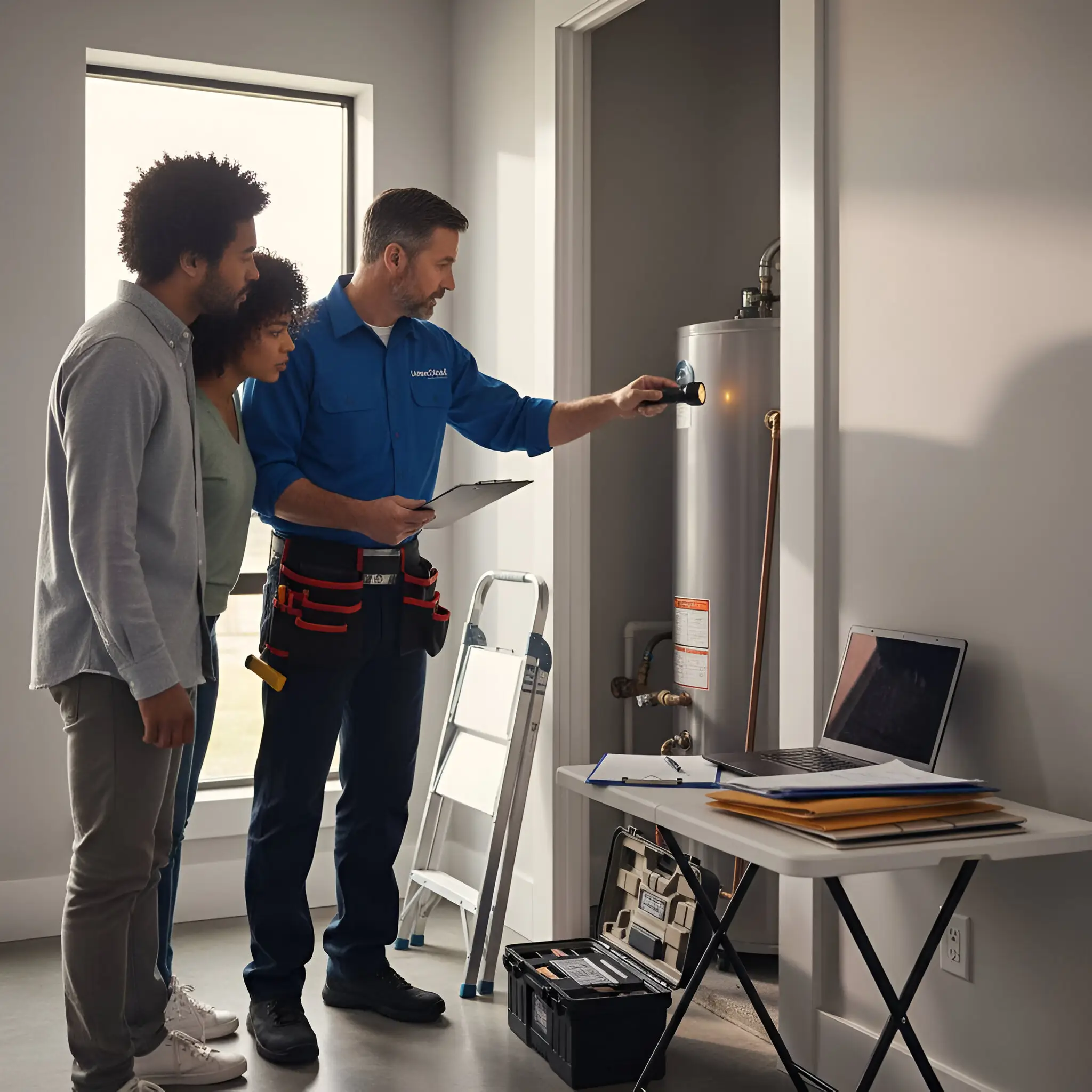
- 4. Plumbing System: Pipes (leaks, corrosion, or outdated materials), water heaters, fixtures, and sewage drainage.
- 5. Electrical System: Wiring safety, code compliance, panels, outlets, and smoke alarms.
- 6. HVAC Systems: The furnace, air conditioner, ductwork, and potential hazards like carbon monoxide leaks.
- 7. Interior Features: The operation of windows and doors, the condition of finishes, and included appliances.
- 8. Specialized Inspections (Optional): Testing for pests/termites, radon, asbestos, mold, or energy efficiency.
Why a Home Inspection Matters
Skipping a home inspection can be a costly mistake. Here is why it is essential:
- Reveal Hidden Problems: Discover issues that aren’t visible during a casual walkthrough.
- Negotiation Leverage: Use the findings to request repairs or price concessions from the seller.
- Ensure Safety: Identify life-safety hazards like faulty wiring, gas leaks, or structural weaknesses.
- Budget for the Future: Understand upcoming maintenance needs and expenses so you can plan accordingly.
A small upfront cost for an inspection can prevent thousands of dollars in unexpected repairs later and provide invaluable peace of mind.
How to Make the Most of Your Home Inspection
- Attend the Inspection: Being present allows you to see issues firsthand and ask the inspector questions in real-time.
- Review the Report Carefully: Inspectors provide detailed notes and photos; read the entire document, not just the summary.
- Consult Your Agent: Your real estate agent can help you determine which findings are “deal-breakers” and which are minor fixes.
- Create a Maintenance Checklist: Use the report as a roadmap for caring for your home after you move in.
FAQs About Home Inspections
1. How long does a typical home inspection take? Most inspections last between 2 and 4 hours, depending on the size and condition of the home.
2. Will a home inspection catch every problem? While inspections are thorough, they are primarily visual and non-invasive. They cannot guarantee that every hidden defect (such as issues behind walls) will be found, but they cover all major systems.
3. Who pays for the home inspection? The buyer typically pays for the inspection. Costs generally range from $300 to $600, depending on the region and the size of the house.
4. Can I skip the inspection if the home looks perfect? It is strongly discouraged. Many serious issues—like electrical hazards or foundation shifts—are not visible to the untrained eye.
5. What if the inspection finds major issues? You have options: you can ask the seller to fix the problems, request a credit to cover the repair costs, or, if the issues are too severe, exercise your inspection contingency to back out of the deal.
Take the Guesswork Out of Buying a Home
A home inspection is more than just a box to check—it’s a crucial tool for making a safe and informed investment. It protects you from unexpected costs, uncovers safety hazards, and gives you confidence in your purchase.
Don’t take chances with your biggest investment. Schedule a professional home inspection today and take control of your homebuying experience.